After the Balakot air strikes and the more recent Op Sindoor, aerial engagements remained a subject of intense debate and continue to do so. Aerial engagements have hogged maximum news headlines since aviation began. Baron von Richthofen, or the Red Baron, was a fighter pilot with the German Air Force during World War I. He is considered the ace-of-aces of the war, being officially credited with 80 air combat victories. Germany’s Erich Hartmann (all-time highest with 352 kills), Hans-Joachim Marseille and Hans-Ulrich Rudel; the Soviet Union’s Ivan Kozhedub (66 kills); the US’s Richard Bong (40 kills); Britain’s Douglas Bader and Johnnie Johnson all made grand headlines.
In World War II, the antagonists captured each other’s aircraft and introduced them into a modest dissimilar air-combat training (DACT) role. The Germans created a unit known as “Touring Zirkus Rosarius” with captured P-51s and P-47s, etc., that visited fighter bases and even let senior pilots fly adversary aircraft themselves. The RAF created No. 1426 Flight RAF with Luftwaffe-captured fighters (Bf 109s and Fw 190s) that were fully tested and then taken to USAAF and RAF bases for familiarization training.
The Korean War and Vietnam War highlighted the need for more realistic DACT. It was not always possible to capture or obtain adversary aircraft. It was thus decided to use own aircraft with similar performance to simulate enemy aircraft. Dedicated Aggressor Squadrons were created. Seeing and practising engagement against different types of aircraft, simulating adversary ones, has become an important part of combat aircrew training.
What is an Aggressor Squadron?
It is an aggressor squadron or adversary squadron that is trained to act as an opposing force in military war-games. Aggressor Squadrons use enemy tactics, techniques, and procedures to give a realistic simulation of air combat, as opposed to training against one’s own forces. Since it is impractical to use actual enemy aircraft and equipment, surrogate aircraft are used to emulate potential adversaries.
The first formal use of dissimilar aircraft for training was in 1969 by the United States Navy (USN) Fighter Weapons School, better known as “Topgun”, which used the A-4 Skyhawk to simulate the performance of the MiG-17. Some of this DACT was replicated at major fighter airbases. The United States Air Force (USAF) followed suit with its first aggressor squadrons at Nellis AFB, which were equipped with the readily available T-38 Talon. The USAF’s poor air combat results in Vietnam prompted more realistic training programs to improve fighter pilots’ air combat effectiveness. The DACT conducted by a professional aggressor force gave Tactical Air Command fighter pilots the hostile environment and realistic adversary that were lacking in a predominantly F-4 “Phantom” fighter force.
The Aggressor Squadrons provide a free-for-all conflict team to educate fighter pilots on what to expect in actual combat. The role of these squadrons increased to replicate threats, test defences, and probe for vulnerabilities. These schools became crucial for training pilots to have confidence and the best chance of success in actual combat situations.
Aggressor Squadrons became the focal point of enemy tactics, weapon systems, and philosophy. Recommendations to improve air combat training and overall tactical force readiness were presented. The evaluation of Aggressor Squadron operations encompassed both training and cost analyses. The training effectiveness is meant to project outcomes in a future conflict.
Types of Aircraft Used
The US Aggressor Squadrons initially flew Douglas A-4s (USN) and Northrop F-5s (USN, Marines, and USAF), along with T-38 Talons, until new F-5E/F Tiger II aircraft were introduced. These were eventually supplemented by early-model F/A-18As (USN), specially built F-16Ns (for the USN), and F-16As (USAF).
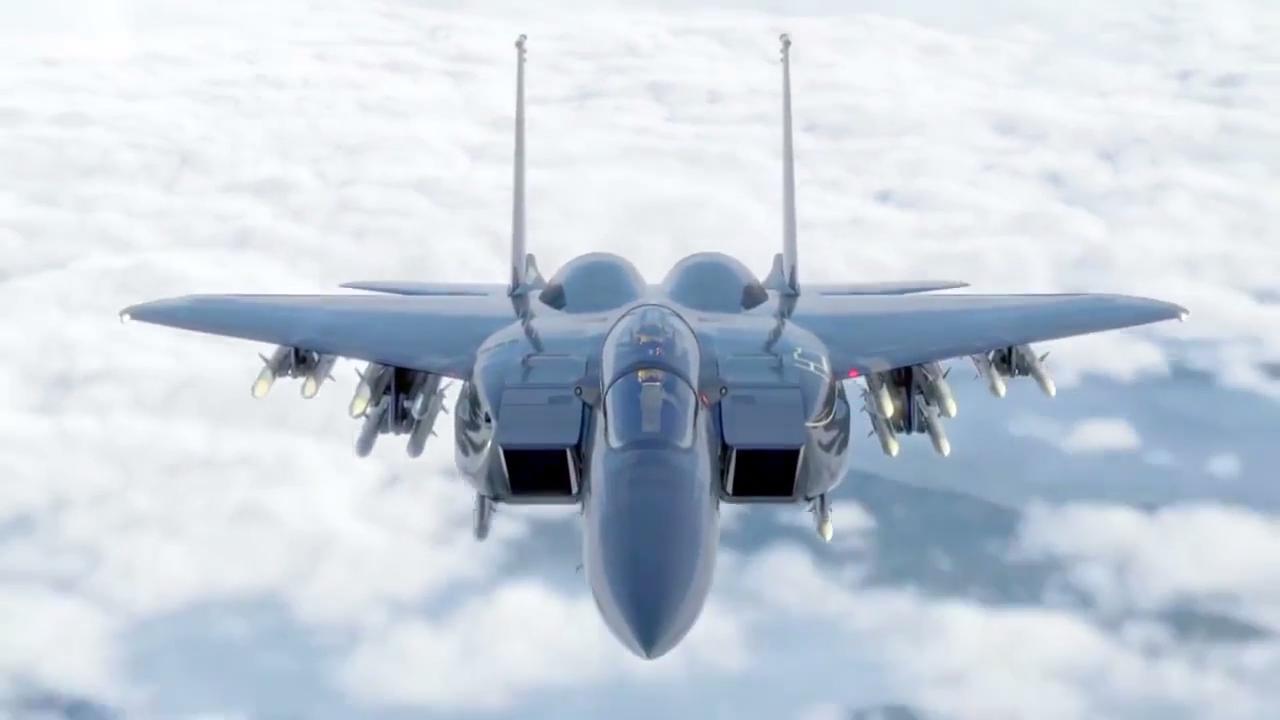
At the end of 2005, the USAF started using the larger and faster F-15 Eagle as an aggressor aircraft alongside the F-16. However, the USAF began phasing out its F-15 aggressors towards the end of 2014, and the F-16C became the only dedicated aggressor type until 2022, when the F-35A Lightning II was inducted to better simulate stealth fighter threats.
Foreign aircraft have been used as aggressors in the United States; the Israeli Kfir fighter, designated F-21, was one. Actual Soviet MiG-17s, MiG-21s, and MiG-23s have also been flown by the USAF as aggressors under the “Constant Peg” program. Project Constant Peg was a secret program to train USAF, USN, and US Marine Corps fighter aircrews to fly against Soviet-designed aircraft. The USAF’s 4477th Test and Evaluation Squadron (TES), nicknamed the “Red Eagles”, flew MiG-17, MiG-21, and later MiG-23 aircraft. The Red Eagles gave American aircrew the skills and confidence to defeat these threats in aerial combat. German MiG-29 aircraft were regular visitors to the United States before being sold to Poland and participated in valuable DACT training. One MiG-29 was loaned to the US for evaluation, providing insight into threat technology.
Aggressor aircraft in the United States are typically painted in colourful camouflage schemes, matching the colours of many Soviet aircraft and contrasting with the grey colours used in most operational US combat aircraft. Camouflage schemes consist of many shades of blue (similar to those used in Russian Sukhoi fighters) or green or light brown (similar to aircraft flown by many air forces in the Middle East).
The USAF also operated Aggressor Squadrons in the UK and in the Philippines. A USAFE Aggressor Squadron operated F-16s and trained over the North Sea and in Germany, Spain, and Italy. The PACAF counterpart, the 26th Training Aggressor Squadron, operated F-5s out of the former Clark Air Base near Angeles City, Philippines.
The US Army operated eleven Soviet or Russian aircraft for adversary training, including Mi-24s, Mi-8s, Mi-2s, and An-2s.
Soviet Union and Russia
The Soviet Air Forces began a program known as the 1521st Center for Combat Employment, located in Mary, Turkmen SSR, in 1970. The program was prompted by the poor performance of Soviet-supplied aircraft in the Middle East and by equivalent American programs. Before that, Air Force units used some of their own planes in “simulated enemy” roles. The aviation base consisted of three squadrons. Two squadrons took aggressor roles. Initially, they operated the MiG-21bis and the MiG-23MLD. Later, both were equipped with MiG-29, painted to resemble the F-15 Eagle. A third squadron operated drones for target practice for visiting Soviet Air Force units.
Currently, the 116th Combat Application Training Center, part of the 185th Center for Combat Training and Application (near Astrakhan), acts as Russia’s main aggressor force. They have upgraded to modern fighters like the Su-35S, providing frontline pilots with a high-end threat experience. They realistically mirror potential adversaries’ tactics, systems, and techniques, giving frontline pilots experience against sophisticated threats.
NATO
Reunified Germany inherited 24 MiG-29s from the East German Air Force. They formed the JG73 “Steinhoff” Squadron, which was partially used as an Aggressor Squadron. NATO air forces compared the Luftwaffe’s Fulcrums with Western types during NATO training exercises. Many Western pilots were able to train combat tactics against a real Russian fighter flown by highly experienced pilots and to execute air-to-air combats against “the real thing”.
In Italy, since 2015, the Typhoon squadrons started operating with the 212° Gruppo (Squadron), which was responsible for the Lead-In Fighter Training course and employed Alenia Aermacchi T-346A Master advanced jet trainers for the Tactical Leadership Programme in the aggressor role.
The NATO Integrated Opposing Force (IOPFOR) Program in the near future will have privately owned lightweight fighters providing an aggressor training service for NATO.
Egypt has recently established an Aggressor Squadron called the “95 Aggressor Squadron”, operating F-16 Block 52s that have been added lately. The Israeli Air Force’s aggressor squadron is 115 Squadron, also known as the Flying Dragon or Red Squadron, and is based at Ovda Airbase. It is their sole squadron that operates fixed-wing aircraft, helicopters, and ground-based assets. The unit also offers its services to other nations. Its primary mission is to simulate enemy forces, tactics, and air defences in as realistic a scenario as possible to train their combat squadrons and international allies, including those from the United States, Italy, and Poland, to enhance interoperability and share tactics. They use authentic Arabic nicknames and mimic enemy operational methods to challenge “Blue” (friendly) forces during exercises.
PLAAF Aggressor Squadron (Brigade)
The People’s Liberation Army Air Force (PLAAF) conducts DACT primarily through its single known aggressor unit, the 66th Aggressor Brigade (also known as the “Blue Brigade”) or 66th OPFOR (Opposing Force) Brigade. This unit operates a mix of older-generation Chinese and Russian-origin fighter aircraft to simulate the forces of potential adversaries. Their motto is “Think and fly like the enemy.” Based at Cangxian Air Base in Hebei Province, it is subordinate to the Air Force Flight Test and Training Base (FTTB).
The brigade uses several types of fourth-generation fighter jets to replicate various threats, including Sukhoi Su-30MKK, Chengdu J-10A, and Shenyang J-11B. These aircraft simulate adversarial air forces from countries like the United States, Taiwan, and India, among others. More modern Chinese fighters like the J-16 and J-20 are expected to be introduced into the aggressor fleet as production increases and frontline units are fully equipped.
The PLAAF’s DACT training has evolved significantly, shifting towards more realistic, high-intensity combat training exercises to narrow the gap between training and real combat. The PLAAF has reformed its pilot curriculum to be more operationally efficient, including dedicated training bases and advanced jet trainers to provide more realistic scenarios from an earlier stage of a pilot’s career.
DACT is now a core component of large-scale exercises. The “Red Sword/Blue Sword” series of exercises often involves over 100 aircraft of different types in complex scenarios simulating electronic warfare and beyond-visual-range (BVR) engagements. The 66th Brigade participated in its first international training exercise, “Shaheen-6,” with the Pakistani Air Force (PAF) in 2017, indicating the importance placed on high-level, complex training scenarios.
In a notable development, China has been recruiting former Western military pilots, particularly from the UK, to help train PLAAF personnel on Western tactics and procedures, further enhancing DACT realism.
PAF Aggressor Squadron
Established in January 2019, the PAF Aggressor Squadron is No. 29 Squadron, nicknamed “Aggressors,” operating from PAF Base Mushaf (Sargodha) and is part of the Combat Commander’s School (CCS) under the Airpower Centre of Excellence (ACE). They use F-16AM/BM Block-15 MLU (Vipers) to simulate enemy tactics for realistic training, keeping other PAF units sharp for real combat scenarios like those faced post-Balakot in Operation Swift Retort. Their motto is “The heat of which melts the stars.”
Aggressor emulation, replicating potential adversary tactics against aircraft like the Indian Air Force’s (IAF) Su-30MKI and MiG-29, trains PAF’s frontline fighter pilots. The unit provides frontline pilots with experience against sophisticated enemy techniques, enhancing overall combat readiness and exposing vulnerabilities in current strategies.
Aggressor Squadrons – Other Countries
The Japanese Tactical Fighter Training Group was established in 1981. It used Mitsubishi T-2 aircraft as aggressors. Since 1990, it has used Mitsubishi F-15J/DJ aircraft. It is based at Komatsu Air Base in Ishikawa Prefecture.
The 46th Imaginary Enemy Squadron of the Republic of China Air Force (Taiwan) was established in 1972 under the guidance of the US Military Assistance Advisory Group. It used the F-86 Sabre aircraft from 1972 to 1977, the F-5A/B Freedom Fighter from 1977 to 1981, and now uses F-5E/F Tiger II fighters as aggressors. The squadron is located at the Zhi-Hang Air Base in Taitung.
Established in 1966 and restructured in 1992, 132nd Squadron of the Turkish Air Force, as defined by the unique “weapons and tactics” concept, which is a combination of regular fighter, test flight, and tactics development duties, is the sole aggressor squadron of Turkey. The squadron is based at Konya Air Base and operates F-16 Fighting Falcons since 2007.
Outsourced Aggressor Squadrons
Some aggressor missions do not require dogfighting but instead involve flying relatively simple profiles to test the target acquisition and tracking capabilities of radars, missiles, and aircraft. Some of these missions were initially outsourced on short-term or one-time contracts to private companies. These programs began steadily evolving to include longer contracts and more advanced mission capabilities. Civilian contractors such as ATAC (Airborne Tactical Advantage Company), Top Aces, and Draken International are now flying advanced radar-equipped aircraft in complex training missions, including international large-force exercises such as Red Flag, Maple Flag, Frisian Flag, and Tiger Meet. They utilize disarmed ex-military jets or small business jets such as the Lear 35, L-39, Alpha Jet, Hawker Hunter, Saab J35 Draken, BD-5J, IAI Kfir, A-4 Skyhawk, MiG-21, Mirage F1, and even the F-16 to simulate potential enemy aircraft and tactics.
By outsourcing these missions, customer governments can save costs, preserve valuable airframe life on combat fleets, and benefit from the flexibility of civilian operations. They also benefit from continuing to draw on the expertise of contracted pilots, most of whom are highly experienced weapons school graduates, either retired or still serving officers concurrently flying in the Reserve, Air National Guard, or equivalent.
The Canadian Forces Air Command and the UK’s Royal Air Force (RAF) initially maintained units to undertake the aggressor role. The role has now been outsourced. The RAF announced that a six-year contract to provide these services, now known as the Interim Red Air Aggressor Training Service (IRAATS), was awarded to Draken Europe, using a fleet of Aero L-159 ALCA Honey Badgers and Dassault Falcon 20s.
India’s Aggressor Aircraft Squadron
The Indian Air Force (IAF) does not have a single, dedicated “Aggressor Squadron” like the USAF, but uses specialized units and exercises, with No. 9 Squadron (The Wolfpack) flying Su-30MKI and Mirage 2000 aircraft at Gwalior, acting as a key aggressor-style unit, replicating potential adversary tactics (Pakistan and China) for advanced training, alongside units like the Tactics and Air Combat Development Establishment (TACDE). All IAF units practise DACT as part of squadron and individual annual training. TACDE develops tactics and trains pilots in realistic combat scenarios. The Directorate of Air Staff Inspection (DASI) is an official inspecting body of the IAF. DASI inspectors assess the tactical and operational levels of IAF aircraft to ascertain if they are capable of meeting wartime requirements. DASI also inspects and rates the performance of individual pilots and squadrons.
The IAF’s Composite Battle Response and Analysis Group (CoBRA-G) has given the IAF an edge in doctrine development, force employment, and strategy over rivals (PAF and PLAAF). It integrates fighter squadrons, drones, AEW&C, EW assets, Flight Refueller Aircraft (FRA), and ground-based air defence (AD) and other assets. There is a collocated Electronic Warfare range. The group has analysed the air operations in Op Sindoor and has also closely examined the Chinese PL-15E missiles that landed in India in a fairly intact state.
The PAF has set up the Airpower Centre of Excellence (ACE) in an attempt to counter CoBRA-G.
To Summarise
Aggressor Squadrons provide realistic training by mimicking potential enemy aircraft, tactics, and systems. They keep frontline squadrons sharp and prepared for actual combat scenarios. They study, evolve, and test new tactics and develop counter-tactics for potential threats. Handpicked pilots and advanced aircraft are used for this purpose. The IAF also leverages multinational exercises like Red Flag to gain exposure to various adversary tactics. The IAF also exercises regularly with all major air forces of the world, in India or abroad. Large-scale exercises with large force engagements (LFE), such as “Tarang Shakti,” are conducted to expose not only the aircrew but also the entire airborne and ground-based combat ecosystem.
While the United States and China have much larger Aggressor Squadron complements, India’s can be called a “lean but mean” setup. For the IAF, which is the fourth-largest air force in the world, the first priority remains rebuilding fighter squadron numbers to the authorized 42.5. It also needs many more AEW&C and FRA platforms. Yet, the IAF has always given high priority to aircraft combat employment and tactics.
Lessons from the conflict in Ukraine and Op Sindoor have shown changes in the air combat environment and engagements. Very Long Range BVR (VLR-BVR) engagements in intense electronic warfare environments, using secure encrypted communications; enhanced use of loitering munitions and cruise missiles; and drones and drone swarms represent the immediate future. The importance of near real-time intelligence, surveillance, and reconnaissance (ISR) has been further emphasized. Building tactics to use these capabilities and identify their counters is already being studied within these “Aggressor” Squadrons.
Note: The article was originally written by the Author for The Eurasian Times on, December 21st, 2025, it has since been updated.
Header Picture Credit: Author
Twitter: @AirPowerAsia
 Air Power Asia